Test Ozone Ozium 3
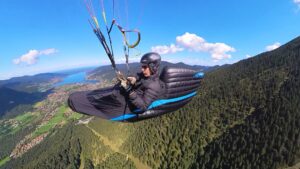
The Ozium 3 is the successor to the Ozium 2, which I personally fly for the occasional hike-and-fly. A lot was borrowed from the F*race 2 when the Ozium was being developed.
The Ozium 3 is the successor to the Ozium 2, which I personally fly for the occasional hike-and-fly. A lot was borrowed from the F*race 2 when the Ozium was being developed.
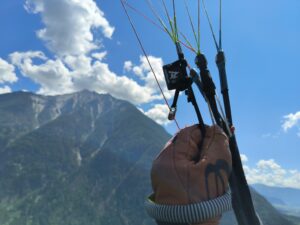
The number of remote-controlled devices that you might want to control whilst flying is constantly increasing. The smartphone app, the 3D camera and Zello, to name but a few. Wouldn’t it be useful if you could operate all these devices using a keypad without having to take your hands off the breaks? That’s exactly what AeroRemote offers.

Most pilots are typical local mountain pilots, fly tandem privately or commercially or only do hike and fly. A simple vario without too many technical accessories, such as the Nano Vario, is sufficient for this.
The Niviuk Arrow P 2 is the successor to the P and the light version of the Arrow, which I have been flying for some time now. In contrast to the Arrow, the P version is the lightweight version and is therefore intended for hike-and-fly and bivouac pilots.
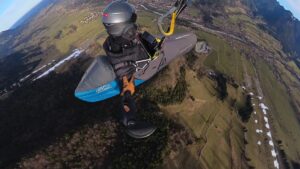
As I announced at the beginning of November, I would like to test harnesses at regular intervals. The first harness in this series was the lightweight harness The Sock from AirDesign.
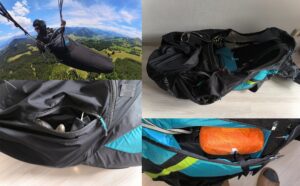
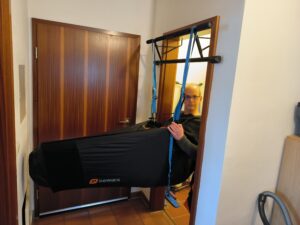
In the relevant specialist magazines, forums and blogs, harnesses tend to play a subordinate role. Reason enough for me to test harnesses regularly and publish a report on them here in this blog. But what are the criteria for a test that is as objective as possible?